

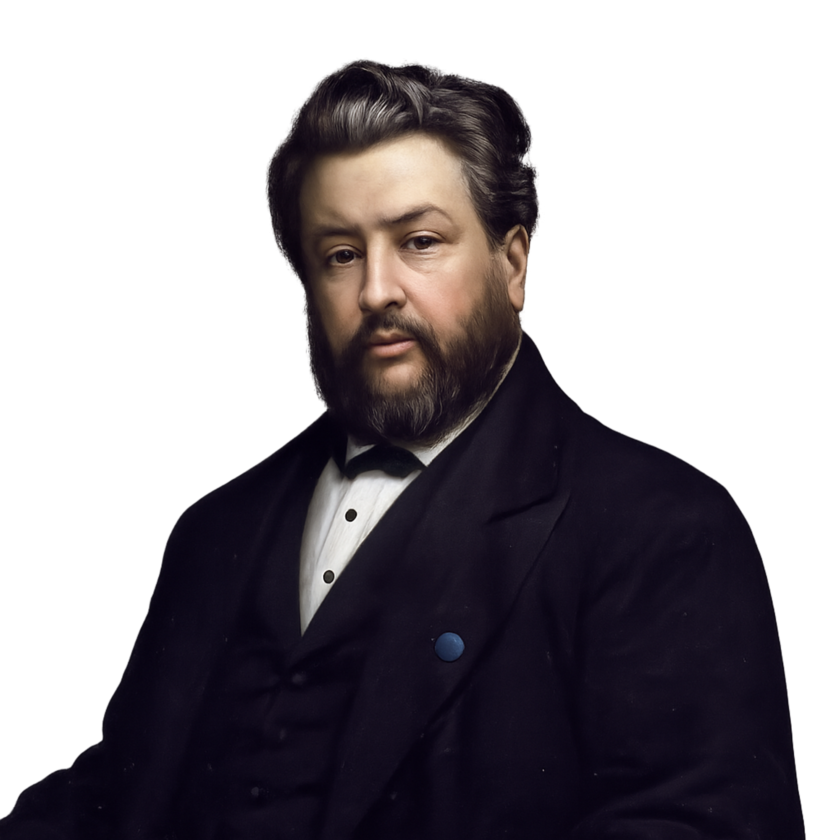
Charles Haddon Spurgeon (1834-1892) was born on June 19 in Kelvedon, Essex, England, He spent most of his public ministry in London, where he became pastor of the Metropolitan Tabernacle and one of the most widely heard preachers of the nineteenth century.
Spurgeon was the eldest child in a large family and spent much of his early childhood with his grandfather, a Congregationalist minister in Stambourne. There he read deeply from Puritan writers and especially from John Bunyan’s The Pilgrim’s Progress, a book he returned to throughout his life. Though he never attended college or seminary, he became a voracious reader and a disciplined student of Scripture, theology, and preaching.
His conversion came on January 6, 1850, when a snowstorm kept him from reaching his intended church and led him instead to a small Primitive Methodist chapel. A lay preacher, filling in for the absent minister, urged the hearers from Isaiah 45:22, “Look unto me, and be ye saved.” Spurgeon later remembered that plain appeal as the moment when Christ became clear and precious to him.
Spurgeon began preaching while still a teenager and soon drew large crowds. His style was vivid, direct, and full of biblical imagination. He used humor, narrative, and memorable turns of phrase, but his preaching was anchored in evangelical conviction, Calvinistic theology, and urgent appeal to the conscience.
His public success did not spare him suffering. Spurgeon endured chronic illness, severe pain, and recurring depression. The Down-Grade Controversy of the 1880s, in which he protested doctrinal compromise within the Baptist Union, cost him friendships and burdened his final years.
Spurgeon is best known for his published sermons, his devotional and pastoral writings, Lectures to My Students, All of Grace, and his commentary on the Psalms, The Treasury of David. He also founded a pastors’ college, an orphanage, and other ministries that carried his influence beyond the pulpit.
Spurgeon died on January 31, 1892 in Menton, France, where he had gone seeking relief for his failing health. His body was returned to London, where thousands came to mourn the preacher often called the “Prince of Preachers.”
Contact Form