

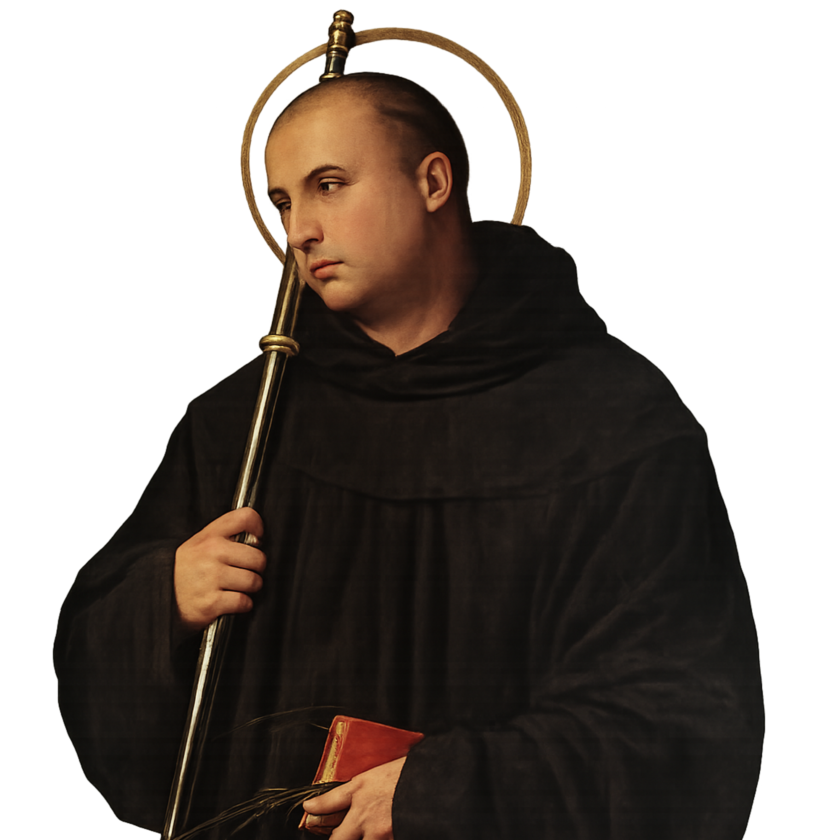
Brother Lawrence of the Resurrection (approx. 1614-1691) was born as Nicolas Herman around 1614 in Herimenil, near Luneville, in the region of Lorraine. Though now remembered around the world for his spiritual counsel, he spent most of his life in relative obscurity as a lay brother in the Discalced Carmelite monastery later known as Saint-Joseph-des-Carmes.
Lawrence came from a poor rural family and received little formal education. As a young man he served as a soldier during the Thirty Years’ War, was taken prisoner under suspicion of being a spy, and later suffered a wound that left him permanently lame. After a period as a footman, he entered monastic life, not as an ordained cleric, but as a lay brother assigned to humble practical work.
The turning point of his spiritual life came when, in winter, he looked upon a barren tree and considered how it waited for the return of spring. That simple sight impressed on him the providence, power, and faithfulness of God. In the monastery he passed through years of inward darkness, but later came to a settled peace that shaped the rest of his life and made his counsel sought after by visitors.
Brother Lawrence is best known for The Practice of the Presence of God, a collection of letters and recorded conversations assembled after his death and published in 1692. The book teaches a simple, continual awareness of God in ordinary duties, whether in prayer, labor, illness, or obscurity.
His writings were not immediately received without controversy, partly because later readers associated them with debates over Quietism in French Catholic spirituality. Over time, however, The Practice of the Presence of God became one of the most widely read devotional works in Christian history.
Brother Lawrence died on February 12, 1691, in the Paris monastery where he had lived and served for decades. His life left little outward record of office or public achievement, but his witness to communion with God in the ordinary tasks of life has endured for generations.
Contact Form